Why Crawlability Is More Important Than Ever After Google’s Recent Algorithm Changes
Search engine optimization has evolved. Building backlinks and quality content are not enough anymore. Continuous changes to Google’s algorithms mean that optimizing for crawlability is the next step in improving visibility on the web.
At Ranks Growth, businesses use to get Google search ranking traffic much more than other search engines. They used to get great traffic simply because their competitors were not easy to crawl. Well, that is going to change. With the evolution of AI, having a site that is easy to crawl becomes an obvious requirement to sustain a business.
What Is Crawlability?
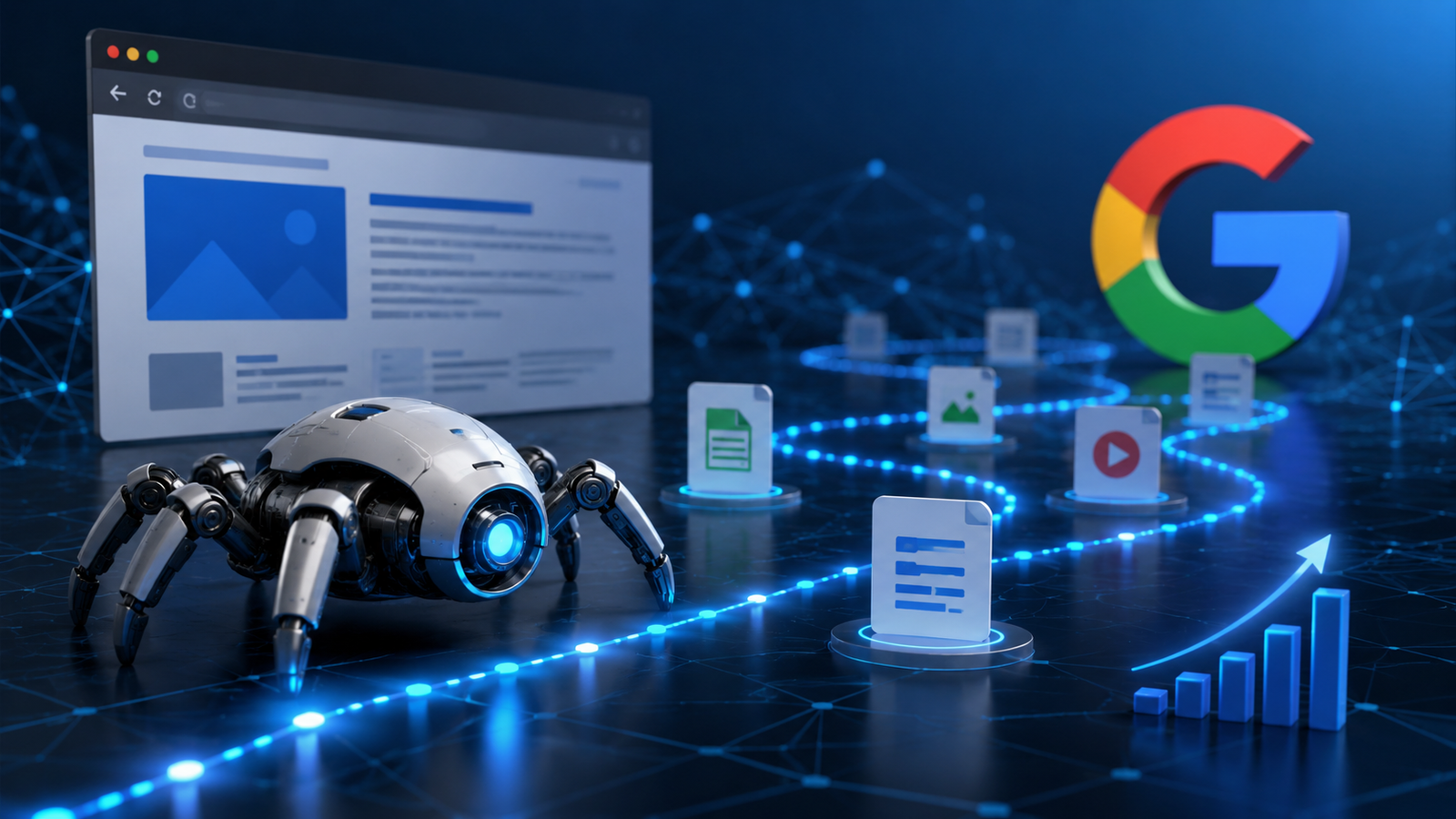
Crawlability is a term that describes how well Google can traverse your site and understand what content is available for them to search. Google uses crawlers that are automated to find new and updated content to determine if it qualifies for search results.
If you have internal links that are broken and pages that are duplicated, and especially if you have a poor navigation structure, Google could potentially not find your most important content to search.
If Google has a hard time crawling your site, it also has a hard time ranking your site.
Why Google’s Recent Updates Have Increased the Importance of Crawlability
Google is getting smarter with their searches. They don’t just search for stringed keywords and check for jumbled site content. Google looks at user experience and the overall health and accessibility of a site.
Recent algorithm upgrades have brought some important changes:
- High-quality over high-quantity indexing.
- More thoughtful crawl budget allocation.
- Greater reliance on AI to parse website architecture.
- Better detection of low-value and duplicate content.
- Improved analysis of technical website health.
With these upgrades, Google uses its crawling resources more efficiently. Sites that make crawling easier will be indexed more quickly and be more visible.
Crawl Budget Matters More Than Ever
Each site has a limit to how much attention it gets from crawlers — this is known as a site’s crawl budget. This is especially relevant to large websites, but small business websites can experience crawl inefficiencies as well.
The time Google spends crawling your site is better spent finding your content. However, Google can waste time crawling unnecessary pages, like:
- Duplicate URLs
- Parameter-based pages
- Outdated content
- Broken pages
- Thin Category Pages
Each of these examples (and others) can lead to Google not finding your content.
Optimizing your crawlability can help Google focus on your more important pages instead of low-value URLs.
AI Search Is Changing How Websites Are Evaluated
The search experience is becoming more and more AI-driven. Now, before search engines make information visible to the user, they evaluate:
- How pages and content relate to one another
- The depth of the content
- Topical (and content) authority
- Organization
This helps search engines understand your website faster and more accurately.
As AI-powered search experiences continue expanding, technical optimization becomes just as valuable as content creation.
Crawlability Directly Impacts Organic Traffic
Many business owners think they need to write and publish more content when their business ranking drops. While search engines might not be crawling your content, there might be other technical obstacles that make your visibility drop.
Because of low crawlability, you could have:
- Key website pages not indexed
- New content index delays
- Updates to pages not captured
- Lower keyword rankings
- Problems with AI search experiences.
Conversely, a website that is easy to use and has a logical structure helps Google index your content and even rank for competitive keyword searches.
This is one reason why businesses working with Ranks Growth often begin technical SEO improvements before launching large-scale content campaigns. Strong crawlability creates the foundation that supports long-term organic growth.
Common Crawlability Problems Businesses Overlook
Most business sites make it hard for search engines to crawl them. Here are a couple of things that cause crawlability problems.
Bad Internal Linking
If you don’t link to important pages enough, or at all, Google may not see them, or will see them and assume they are not important.
Broken Links or Redirect Chains
Having broken sites and multiple redirects makes crawling inefficient.
Mistakes in Robots.txt
If important pages are blocked by Robots.txt, Google cannot access them.
Duplicate Content
If you have multiple pages that are the same or have slight differences, Google will be confused and may not rank a page.
Poor Site Navigation
If important information is difficult to find for a person visiting your site, it is also difficult for a search engine.
Slow Site Performance
Pages that take a long time to load negatively affect user experience and search engine crawling.
Crawlability Supports Better User Experience
Google wants to reward pages that provide the best user experiences.
The good news is that crawlability and usability issues are often the same.
Better navigation means users can locate information more quickly.
- A good structure keeps users on the page.
- Linking helps users find related posts.
- A faster website means users are less likely to bounce.
- Crawlability and usability issues are the same.
The same structure that helps search engines find data and your website more quickly and easily, helps users more as well.
Why Technical SEO Should Be a Business Priority
A lot of businesses spend large amounts of their budget on advertising and marketing, while neglecting technical SEO.
Search engines need to be able to find your website to get the most out of your marketing campaign.
A good, full-service digital agency is able to help you with your technical concerns, the performance of your website, your content, and how to convert users the best and the most from your website.
The same goes for a good and experienced IT services company.
They can help resolve technical issues with your website that hurt its crawlability.
Technical SEO concerns should not be isolated to a digital strategy.
Why Choosing the Right Digital Partner Matters
Most marketing providers have trouble seeing the relationship between the search features of newer AI models and organic visibility.
The best web agency focuses on the long-term health of the website. This includes regular technical audits, crawl analysis, internal linking, Core Web Vitals, and monitoring Google Search Console.
Temporary ranking tactics provide only a short-term solution.
At Ranks Growth, our team of SEO experts identifies and remedies crawling issues during our periodic website assessments. Using a combination of technical and content-centric website development and performance optimization strategies, our SEO experts help our clients build and maintain websites that can be sustained and grown profitably.
Future-Proof Your Website with Better Crawlability
The web search algorithms of the future will be based on even more advanced forms of artificial intelligence. The businesses that are masters of technical business excellence and engineering will be the best-placed businesses in the future.
Crawlability describes how easy it is for search engines to access and interpret the pages on your website. But it is also building organized, accessible, transparent web pages that are prepared for the next evolution of web search.
Technical SEO also improves your business’s organic visibility and traffic. It strengthens your search engine rankings and helps attract more relevant, high-intent visitors to your website.
Need someone to help you with your website’s technical elements? Ranks Growth combines the knowledge of a full-service digital agency with deep SEO knowledge. We can help your website crawl, improve search visibility, help your business stay ahead, and bypass the ever-changing rules of Google.
FAQs
1. Why is crawlability important for SEO?
Crawlability helps search engines discover, access, and understand your website pages. Better crawlability can improve indexing, search visibility, and organic traffic.
2. How do Google algorithm updates affect website crawlability?
Google’s evolving algorithms prioritize useful, accessible, and technically sound pages. Crawl issues can prevent important content from being efficiently discovered and indexed.
3. What are the most common crawlability issues?
Common issues include broken links, incorrect robots.txt rules, redirect chains, orphan pages, duplicate URLs, poor internal linking, and XML sitemap errors.
4. How can I check if Google is crawling my website properly?
Use Google Search Console to review indexing reports, crawl-related issues, sitemaps, and URL inspection data to identify pages Google may be struggling to access.
5. Can improving crawlability increase organic traffic?
Yes. Better crawlability helps search engines discover and process important pages more efficiently, potentially improving indexing, rankings, and qualified organic traffic.